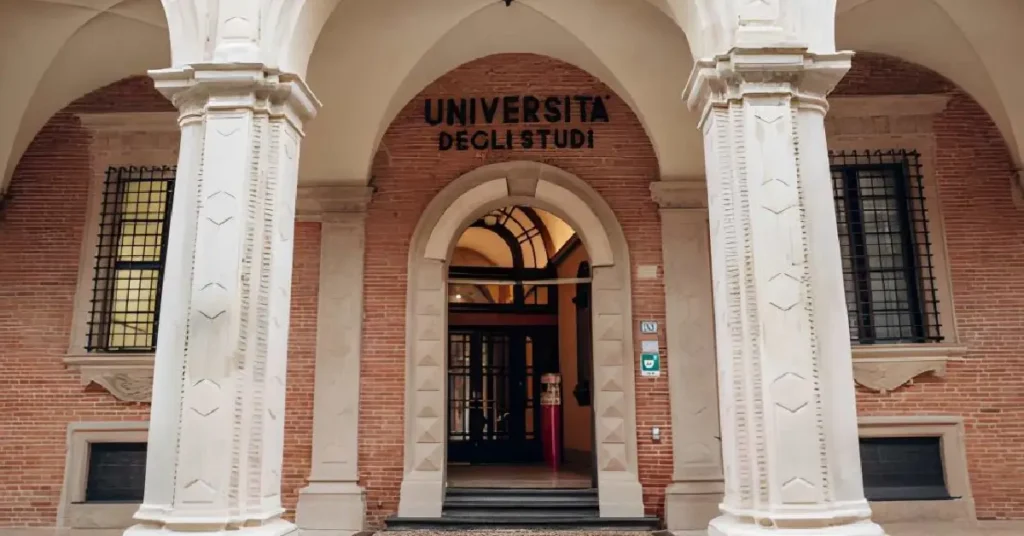
The eligibility requirements for an Italy study visa include a confirmed university admission offer, proof of sufficient financial funds, valid health insurance, and accommodation in Italy. Non-EU and non-EEA applicants must also complete mandatory pre-enrolment through the Universitaly portal before applying.
The documents required for the Italy student visa application include a valid passport, university admission letter, proof of financial means, health insurance coverage, and academic transcripts. Additional documents include a passport-sized photo meeting Schengen visa specifications and, in some cases, proof of Italian language proficiency.
The Italy study visa process starts with securing admission from an Italian university and completing pre-enrolment through the Universitaly portal. Applicants then gather the required documents, submit their visa application to the Italian Embassy or Consulate, attend the visa appointment, complete biometric verification if required, and wait for the visa decision before traveling to Italy and applying for a residence permit after arrival.
Italy student visa processing takes 15 to 30 working days on average. Incomplete applications or complex cases can extend this timeline, making early submission important.
Yes, you can work while studying in Italy on a student visa, up to 20 hours per week. This limit applies during the academic term and supports living expenses alongside financial sponsorship.
Yes, you can bring family members on an Italy study visa under a separate family visa category for non-EU students. This requires the student to demonstrate sufficient financial means to support both themselves and the accompanying family member.
The amount of money you need to show for a New Zealand student visa depends on course length and study location, covering both tuition and living expenses for the full duration. Most applicants use the Funds Transfer Scheme, depositing funds into a locked New Zealand bank account before arrival.
Getting a New Zealand student visa takes 20 to 30 days on average. Processing time varies based on application volume and the applicant's country of origin.
Yes, you can work part-time while studying in New Zealand, up to 20 hours per week during the academic semester. Full-time work is permitted during scheduled academic holidays.
The Funds Transfer Scheme for New Zealand visas requires students to transfer their required living expenses, typically NZD 20,000 for one year, into a locked New Zealand bank account before arrival. Immigration New Zealand then releases these funds in monthly installments to cover living costs.
You can stay in New Zealand for post-study work for 1 to 3 years after graduating, depending on your qualification level and where you studied. This period allows international graduates to gain professional work experience before deciding on longer-term residence options.